Termite baiting looks simple on the surface. You sink plastic stations in the soil, add cellulose, then let the insects do the heavy lifting. In practice, long‑term success hinges on disciplined monitoring, correct placement, and timely maintenance. When these pieces line up, bait systems can eliminate a subterranean termite colony without drilling foundation slabs or drenching the soil with gallons of termiticide. When they don’t, the stations become expensive yard ornaments.
This guide focuses on what actually keeps a bait program effective after installation. The decisions that matter come months later, when weather shifts, landscaping changes, and termites begin to forage differently. I will cover placement logic, inspection cadence, how to read termite activity inside a station, replacement thresholds, and the kinds of setbacks that tend to derail an otherwise promising program. Expect some field notes as well, because in termite control, details beat theory.
Why bait, and when it fits
Bait systems shine when a structure needs protection with minimal disruption, or when soil termiticides are risky or restricted. Historic properties, wells and cisterns nearby, slab‑on‑grade with radiant heat piping, and homes with chronic drainage issues are all good candidates. I have also leaned on baits where neighbors share party walls or tight setbacks, and trenching and rodding would turn into a construction project.
On the other hand, baiting is not a fast rescue for heavy, active infestations with interior damage. You can use it as part of a combined approach, but if termites are chewing in a window frame today, a localized liquid treatment or foam in the galleries buys time while the bait moves through the colony. The trade‑off is speed versus invasiveness. Baits are strategic and measured. Liquids are immediate and blunt.
Anatomy of a modern bait station
Most widely used stations share a similar design. A durable, tamper‑resistant housing sits in the soil with a cap that stays flush with grade. Inside, a perforated core holds a cellulose matrix, sometimes pre‑baited with attractants. The toxicant is an insect growth regulator, often a chitin synthesis inhibitor. The mode of action is deliberate. Termites feed, share the bait through trophallaxis, fail during molting, and the colony collapses over several months.
That timing surprises homeowners who expect a “poison” to clear activity in days. The slow cascade is the point. If a bait is fast‑acting, foragers die too quickly and the colony avoids the station. Monitoring focuses on feeding patterns and turnover of the bait matrix, not on dead termites inside the cup.
Layout and installation that set up reliable monitoring
Good monitoring starts before the first inspection. Station layout dictates your odds of interception. I have seen identical homes with different outcomes, and the difference was usually placement and spacing, not product.
Spacing follows a simple rule: reduce the gaps in your protective ring. A common interval is every 8 to 10 feet around the footprint of the structure, tighter at known pressure points. Corners are not negotiable, and neither are moisture sources. Focus on downspouts that splash, AC condensate lines, grade dips that hold water after rain, irrigation heads, and garden beds with landscape timbers. Where concrete or pavers hug the foundation, place stations on the outside edge of the hardscape if you cannot core through it. Do not let a two‑foot strip of rock mulch lull you into skipping coverage.
Depth matters as well. Set stations so the top is flush with the soil but the cellulose insert sits in consistently moist earth. Too shallow, and you get desiccation and slow discovery. Too deep, and you bury the attractant below the active foraging zone. In most soils, that sweet spot is 6 to 8 inches, adjusted for sand or clay. In heavy clay with shrink‑swell cycles, I check the cavity shape. If the auger polishes the walls, I roughen them so termites can penetrate.
Landscaping shifts everything. A ring installed before a homeowner adds fresh mulch or raises beds often becomes less effective, not more. Moist mulch draws foragers, but it can block access to caps and redirect water. Plan to revisit placement after any major yard change.
The first season: building a baseline
The first six months tell you how the site behaves. I schedule the inaugural inspection roughly 30 to 45 days after installation, then at 90, then at 180. That cadence captures early interception and seasonal moisture swings. Later, you can stretch intervals when the pattern stabilizes, but the first season is your lab notebook.
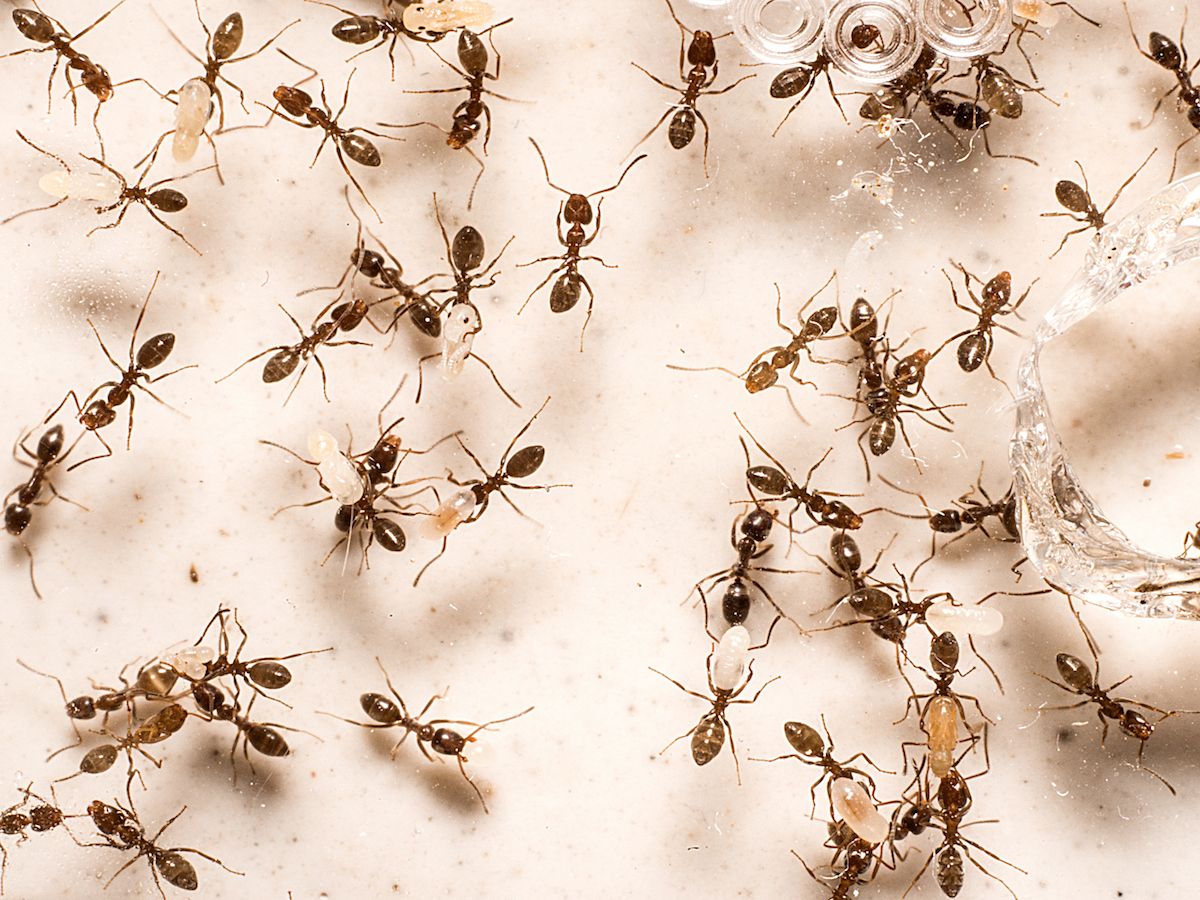
What I look for on each check is simple and consistent. Is the cap sealed and undisturbed, or has mowers or edging opened a path for debris and ants? Is the cavity damp, cool, and earth‑scented, or is it bone dry with pale, brittle matrix? Are there mud tubes on the insert, silt trails, or the pepper‑like frass that suggests non‑target insects? Termite soldiers and workers leave characteristic signs, including a subtle noise when you tap the insert, like a soft crackle. Ants tend to move faster and cluster near the cap.
If I see termite feeding on a monitoring insert, I do not yank it immediately. I note the extent, then schedule a two‑week recheck. If activity continues, I convert that station to bait, and I add bait to the nearest two stations on either side. Termites do not read our station maps, they move in arcs. Building a bait “cluster” tightens the net without wasting material across the entire ring.
Reading the station like a logbook
Each station becomes a data point, and consistent notes prevent guesswork. I keep a simple station map with zones: wet side yard, sunny south wall, old mulch bed, slope behind garage. Over time, patterns emerge. A north‑facing foundation with shade and downspouts will show more consistent hits. A sunbaked brick walk with no irrigation may never light up unless rain is persistent. Do not misread silence in those dry stations as total protection. It is just lower probability, not proof of absence.
Rotation of bait cartridges follows depletion, not the calendar. If a bait insert is half consumed and remains active, I avoid swapping it too early, because that disrupts the feeding lane. I top off only when the matrix nears exhaustion or becomes waterlogged. Waterlogged bait should be replaced because it can sour and repel. If ants have taken over the station, I will treat the ants indirectly by improving the moisture balance, adjusting shade, and in stubborn cases, using an ant‑labeled product away from the station to break pressure. Never contaminate bait housings with repellent sprays.
Seasonal adjustments that matter more than products
Termites follow moisture and temperature. Monitoring and maintenance must ride those curves.
In spring, subterranean termites often expand foraging after the first warm rains. Stations that sat quiet through winter can show sudden feeding. I increase inspection frequency around the first 60 to 75 degree streak, and I expect to add bait where monitoring inserts finally earn their keep.
Summer brings heat stress and soil shrinkage. In clay, gaps open along foundations, and termites use those vertical voids like highways. I press soil tight around stations and add shade where possible without inviting wood‑to‑soil contact at the structure. If stations repeatedly dry out between visits, I consider moving them a foot or two into a spot with steadier moisture, often near plant drip lines. There is a line between using landscape moisture and setting yourself up for root intrusion. I avoid burying stations in dense ivy or under shrubs where roots will knit into the housing.
Fall often delivers a second bump in activity, especially after hurricanes or multi‑day rains saturate the upper soil layers. Bait consumption can accelerate then. I plan for extra cartridges in stock that time of year. Winter quiets things down, but in frost‑free periods, some feeding can persist. In zones with deep freezes, I still check caps after thaws because heaving can tilt a station and crack the seal.
Common pitfalls that sabotage good programs
Two patterns account for most failures I have been called to correct. The first is set‑and‑forget installation with no serious monitoring. Termites do not respect the contractor’s schedule. If you only look twice a year, you will miss early feeding and replace spent bait too late. The second is water mismanagement around the structure. Guttering that dumps water by the foundation, irrigation zones that soak the slab daily, negative grade against wood steps, all increase termite pressure. Bait can still win, but monitoring will feel like triage unless you change the site’s hydrology.
There are smaller, fixable issues. Caps left buried under new mulch, stations sunk too deep in a renovation and paved over, or a dog that learns how to twist open a lid. Labeling and map updates prevent a lot of frustration during maintenance. I have also seen stations installed in decorative rock beds with landscape fabric underneath. Termites can make it through, but fabric can act like a vapor barrier. You will get drier cavities and slower interception.
Monitoring intervals that balance risk and reality
There is no single correct schedule, but ranges align with risk. After the first season settles, most properties do well on 60 to 90 day intervals. If I am actively eliminating a colony with visible bait consumption, I check that cluster every two to four weeks until feeding slows. In very low‑pressure sites with stable moisture and long quiet periods, I may visit quarterly, with a mid‑winter visual check of caps only.
What I will not do is extend past 90 days during the first year, or while any station in the ring is actively feeding. Remember that bait matrices can be eaten down faster than you expect during peak foraging. If the station empties between visits, you break the bait chain and extend the timeline to colony decline.
Evidence of success and what to document
Homeowners often ask for proof that a colony is gone. Termite control rarely gives you a single test that says green light. What you can document is a pattern. First, feeding initiates in a set of stations. Second, consumption rises across that cluster. Third, you begin to see a taper, with fewer fresh mud liners, less matrix removal, and quieter chambers. Over a three to six month window, active stations return to monitoring inserts without renewed hits. At the structure, fresh mud tubes dry and become brittle, with no repairs after gentle disturbance. Wood that had live activity tests quiet with a moisture meter and no live workers present on reinspection.
It helps to photograph each station at change points. A quick snapshot of the insert on a date card builds a visual timeline that is easy to explain to a homeowner during a maintenance visit.
Integrating baits with other pest control work
Termite baiting often coexists with other pest control tasks. Ant control stands out because ants love to hijack stations. Quality general pest service must account for the bait footprint, keeping repellent barriers away from station zones and using targeted ant treatments that do not contaminate the soil around the housings. The same coordination applies to spider control or mosquito control that uses residual sprays. A technician who knows where the termite devices sit will angle applications and choose formulations that respect the primary objective.
Rodent control brings its own wrinkle. If exterior rodent bait stations sit near termite stations, label them clearly and separate them by a few feet so wildlife and pets dominationextermination.com termite control are not attracted to the termite lids. Bed bug control and cricket control are largely unrelated to exterior termite work, but interior prep can disturb baseboards and door frames. If termite inspections are underway at the same home, time them so one team does not erase the other’s evidence. In some regions, carpenter bees control intersects with exterior fascia repairs. Fresh wood replacement invites subterranean termites if it contacts soil. Monitoring notes should capture any wood‑to‑soil contact so the repair crew can break that bridge.
What real‑world setbacks look like
A ranch home on a crawlspace had perfect textbook placement, a full ring at eight‑foot intervals. Stations on the north side, near a downspout and azalea bed, lit up in early spring. We converted three adjacent housings to bait and saw steady consumption over ten weeks. Then activity plummeted, which is what we wanted. Two months later, the homeowner re‑graded that bed, adding timbers and an irrigation zone set to run daily at 5 a.m. The formerly successful stations went silent, and three new stations on the opposite corner began to feed, likely because the colony shifted foraging along the wetter route. We adjusted the ring, shortened the inspection cycle for the summer, and rebalanced the irrigation schedule. The lesson repeats across properties. Moisture is the thermostat, and termites follow it.
An older brick‑on‑slab with radiant heat pipes running beneath the kitchen had chronic leaks. Soil treatments were a bad bet because drilling risked lines. We installed bait stations and used a local foam in one kitchen wall where live workers were present. Monitoring showed the bait cluster on the south wall picked up heavy feeding, and interior activity ceased after three months. We kept the foam to a surgical dose at the wall to relieve pressure without repelling the foragers from the bait. The key was restraint and patience.
How Domination Extermination structures monitoring
At Domination Extermination, our teams treat the install as the starting line, not the finish. We log every station with GPS points and a physical map because in real yards, caps get hidden under annual mulch and landscape reshuffles. Our first season cadence is non‑negotiable: a 30‑day check to catch early feeders, a 90‑day to confirm patterns, and a 180‑day to set the long run interval. In regions with clay soils that crack in July and August, we add midsummer checks focused on moisture balance around the stations. If a ring shows uneven hits, we add interim bait to adjacent housings to build a cluster, rather than sprinkling bait randomly.
Where brand context matters, we adapt to local building types and soils. In neighborhoods with slab‑on‑grade and long perimeter walks, our crews carry narrow coring tools to place stations through pavers without tearing up the hardscape. In older homes with wood steps on grade, we place stations tight to the stair footprint because termites often test those edges first. It is the kind of field discipline that sounds obsessive until you tally how many first hits arrive in those exact spots.
Domination Extermination on maintenance tactics that prevent drift
Monitoring protocols fail when they drift. Domination Extermination uses threshold triggers to keep decisions consistent. If a monitoring insert shows confirmed termite feeding on two consecutive visits, we convert to bait on visit three and mirror that change left and right of the station. If a bait matrix is 60 percent consumed with ongoing activity, we schedule an early revisit inside two weeks to avoid a gap. If a station is repeatedly invaded by ants, we adjust site moisture, pull back mulch from the cap, and, where necessary, treat ants away from the ring so the station returns to neutral territory.
We also audit sites after big weather. A tropical storm or a week of freeze‑thaw can tilt housings or silt up cavities. Quick post‑event checks protect the investment in the ring. The same goes for major yard work. When a homeowner adds a French drain, extends a patio, or regrades for a new bed, we revisit placement. The bait system is a flexible net, not a concrete wall. It needs reshaping as the ground truth changes.
Safety, tamper resistance, and honest expectations
Modern stations are designed to be child‑ and pet‑resistant when properly installed. Still, monitoring includes a human factor. Caps must lock, and mowers should not shear them off. If a dog learns that caps twist, I will relocate those few housings behind short garden edging or place them under a paver with a cutout to hide the lid. The bait toxicants have very low mammalian toxicity at the quantities present, but good stewardship treats every device as if a toddler could find it.
Set expectations early about timelines. A homeowner experiencing termite swarms in the spring may worry if exterior stations are the only visible action. Explain the dual‑track approach if you add a localized interior treatment to stabilize the situation while the bait does its work. Document each decision and its reason. Monitoring is not a mystery if you bring the homeowner into the loop.
When to escalate or pivot
Bait is the backbone, not a religion. If monitoring shows diffuse hits across the ring with no sustained feeding in any single station, and interior inspections keep turning up fresh activity, I look for site issues first, then consider complementary measures. That may be a targeted soil treatment at a stubborn entry point, foam in a hidden void, or structural corrections like removing earth‑to‑wood contact. If none of that sticks, it is time to reassess the bait system brand or formulation. Some colonies respond differently, and some sites simply favor one station design over another because of soil texture or hydrology.
Escalation can also mean denser station spacing. Shrinking gaps from 10 feet to 6 feet around high‑pressure walls increases interception, especially along long, uninterrupted footers. It costs more, and it is not necessary everywhere, but when a structure sits on a ridge of fill dirt with voids and utility penetrations, tighter spacing is justified.
A compact checklist for quality monitoring
- Keep a station map and update it after any landscaping change. Set first‑season checks at 30, 90, and 180 days, tightening intervals during active feeding. Convert to bait after confirmed repeated feeding, then build a local cluster. Replace bait on depletion or waterlogging, not by calendar, and avoid breaking active feeding lanes. Audit after major weather or yard work, and correct moisture issues that elevate termite pressure.
What success feels like a year later
A well‑run bait program feels uneventful after the first year. Stations get checked, a few inserts are topped off, and there are no surprises at the structure. You spend more time maintaining the perimeter against changes in grade and irrigation than chasing live activity. The ring becomes part of the property’s routine maintenance, like cleaning gutters. That quiet is the strongest signal you will get in termite control.
Along the way, the same discipline supports adjacent work. If your team handles general pest control, you are already documenting moisture sources and harborage that matter for ants and spiders. If you are coordinating with a crew tackling rodent control, you have a site map with traffic patterns around the foundation. The attention that keeps a bait system humming bleeds into better overall pest control.
Final field notes
I have pulled stations from soils that looked perfect on paper but never intercepted a single termite, and I have watched a lonely housing near a leaky hose bib take down a colony over one season. The common thread is not luck. It is a technician who shows up when the weather changes, notices that the irrigation timer moved from three days a week to daily, and catches the half‑eaten matrix before the colony loses interest. Bait systems are elegant, but they reward sweat equity.
Domination Extermination builds its programs around that premise. Good installation sets the table, but careful monitoring and practical maintenance serve the meal. If you commit to that rhythm, bait systems deliver what homeowners actually want from termite control: durable protection, minimal disruption, and a property that stays boring in the best possible way.
Domination Extermination
10 Westwood Dr, Mantua Township, NJ 08051
(856) 633-0304